
Recent Program Features
We are proud to celebrate the success of our faculty, students and programs. We welcome you to learn more about our college through reading our recent features!
Erika Dobie, Vocal Performance
"I have learned more about music here than I ever thought I could"
Read More Close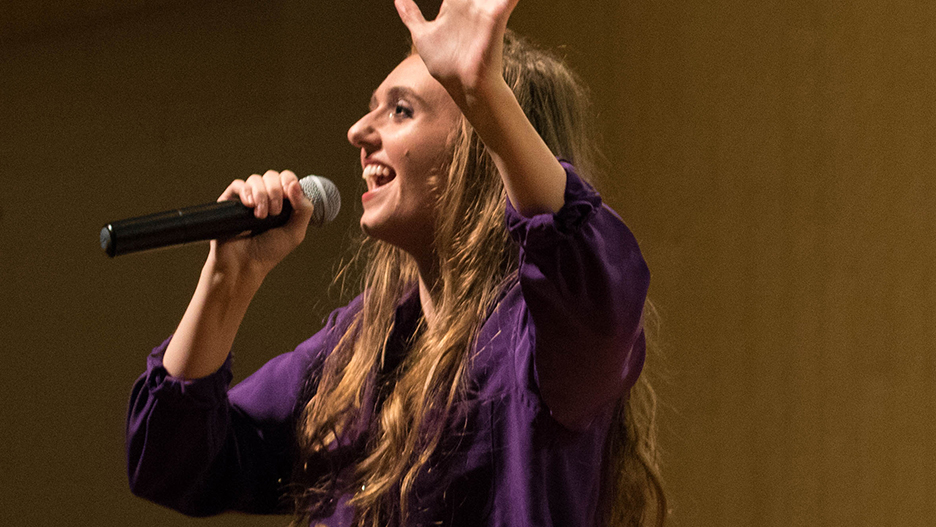
"I love being a student of the College of Arts & Humanities. I have learned more about music here than I ever thought I could. I came into the Music Department as a freshman knowing almost nothing about music theory or how to properly read music and now I have written a few songs and can even analyze classical scores which is pretty incredible! The friends I have made here are absolutely amazing people and performers. I am always honored to perform with them. The faculty in the Music Department have shown me so much support and I very happy that I chose to attend MN State Mankato!”
Jake Kaukola, Instrumental Music Education
"the Music Department is very comprehensive with the variety of courses and studies"
Read More Close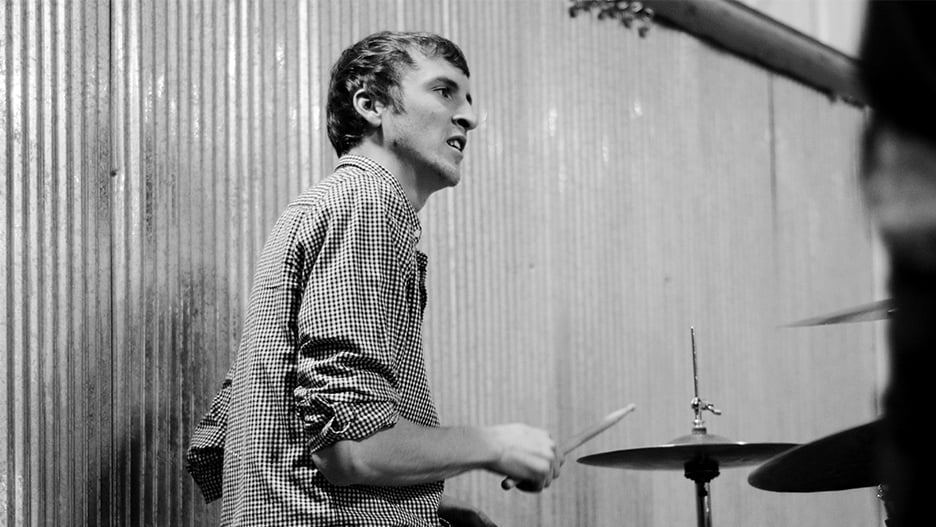
"The Music Department is very comprehensive with the variety of courses and studies MN State Mankato has to offer. The music education courses I am taking really challenge me in a way that develop my opinions and thoughts on my approach and style in the classroom. Also, performing with the MN State Mankato Jazz Combo, ‘The Snaps,’ has been a blast and really stirs my passion for performing."
Megan Littlepage, Vocal Performance
"I feel so supported in my endeavors and I’m extremely grateful for the opportunities I’ve been given"
Read More Close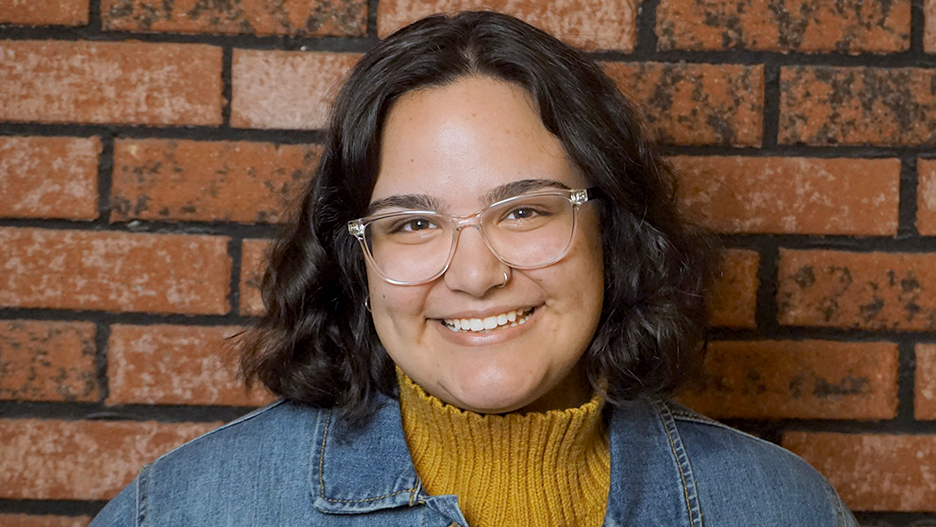
“I have really come to cherish my time at MN State Mankato, especially in the Music Department. I started off my college career not knowing what I wanted to do other than knowing that it had to have something to do with music. After three years, performing became a love of mine. If not for this Department and the faculty within it, I would have never discovered my love of opera or my interest in teaching voice; two of the things I’d like to utilize my degree for.
I have the music faculty to thank for my time here. I believe they are what makes this department so special. I feel so supported in my endeavors and I’m extremely grateful for the opportunities I’ve been given in this department.”
Miranda Kelley, Instrumental Music Education
"the music program here is so forward-thinking"
Read More Close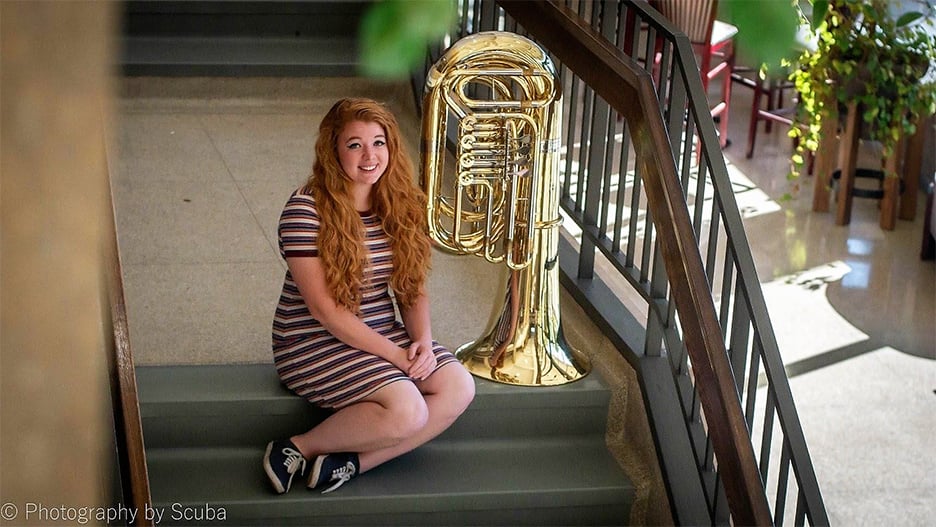
“I came to Minnesota State University, Mankato because the music program here is so forward-thinking. It really prepares you for becoming a music educator in the present and makes you think about the future of music and education.
I am getting so much from my time here. I have one-on-one meetings with professors when I need help with decisions or planning my future. I am the tuba section leader of the Maverick 'Machine' Athletic Bands so I am also developing leadership and communication skills. Every day in my classes I can tell that I'm learning and growing to become the music educator I was meant to be.”